Exploring the psychology of high-stakes gambling in casinos
The Thrill of High-Stakes Gambling
High-stakes gambling in casinos offers an exhilarating experience that appeals to many individuals. The thrill derived from risking large sums of money can trigger a complex emotional response, bringing excitement and fear into a single moment. For many, this adrenaline rush becomes addictive, leading them to seek new online casinos australia where the atmosphere is charged with tension and anticipation.

This emotional rollercoaster is underscored by the psychology of risk-taking, where the potential for a big win often overshadows the reality of losses. Gamblers may rationalize their decisions by focusing on the dopamine release triggered by wins, fostering a desire to chase that rewarding feeling, even when the odds are stacked against them.
The Influence of Environment on Gambling Behavior
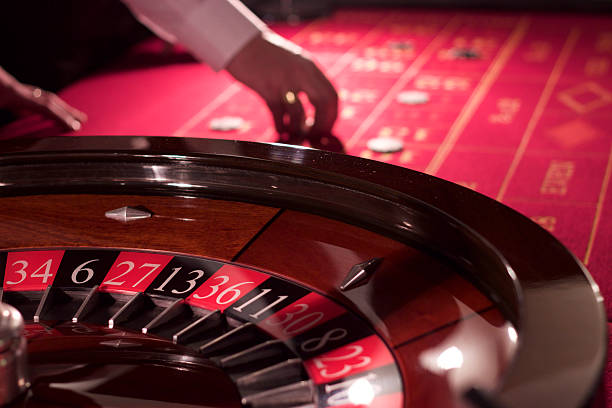
The environment of a casino plays a crucial role in shaping the psychology of high-stakes gamblers. The design, lighting, and sounds within these spaces are meticulously crafted to create an alluring atmosphere that enhances the gambling experience. Bright lights, captivating noises, and the scent of luxury can create a sensory overload that enthralls players, drawing them deeper into the world of high-stakes gaming.
This immersive environment often leads to a phenomenon known as “loss aversion,” where players continue to gamble in hopes of recouping their losses. The layout of casino games, which encourages prolonged play, contributes to this mindset, making it difficult for individuals to walk away even when they know it might be prudent to do so.
The Interplay of Cognitive Biases and Gambling
Cognitive biases significantly influence the behavior of high-stakes gamblers. One common bias is the “illusion of control,” where individuals believe they can influence the outcome of games that are purely based on chance. This belief can lead to excessive gambling, as players feel empowered to make risky bets, thinking they have a mastery over their fate.
Additionally, the availability heuristic plays a role. Gamblers often recall recent wins more vividly than losses, leading to an inflated sense of their chances of winning. This skewed perception reinforces their gambling behavior, as they overestimate their ability to predict outcomes and control risks, ultimately contributing to their continued engagement with high-stakes games.
The Emotional Toll of High-Stakes Gambling
The emotional toll of high-stakes gambling can be significant, affecting not only the gamblers themselves but also their relationships and overall mental health. The pressure of chasing losses can lead to stress, anxiety, and even depression, as individuals grapple with the consequences of their decisions. This emotional strain is often compounded by the stigma associated with gambling addiction, making it challenging for individuals to seek help.
Support systems and awareness campaigns are essential in addressing these issues, providing resources for those affected by high-stakes gambling. Understanding the psychological ramifications can empower individuals to make informed choices, encouraging responsible gambling practices and reducing the risk of addiction.
Valuable Resources and Support for Gamblers
While exploring the psychology of high-stakes gambling, it’s essential to highlight the resources available for individuals seeking support. Many casinos and organizations provide assistance programs aimed at helping those struggling with gambling addiction. These programs often focus on raising awareness and promoting responsible gambling practices to minimize the risks associated with high-stakes games.
Navigating the complex landscape of high-stakes gambling can be daunting, but with access to the right tools and support systems, individuals can better understand their behavior and make healthier choices. Although current site access might be restricted, users are encouraged to explore available resources or reach out for assistance when needed, emphasizing the importance of a safe and supportive gambling environment.